
November 17, 2026
OEM Custom Fasteners Supplier Evaluation Guide: Specifications, Traceability, and Tooling Ownership
A procurement-focused framework for evaluating OEM custom fastener suppliers, covering specification review, material traceability, tooling ownership, and the evidence to request before placing an order.
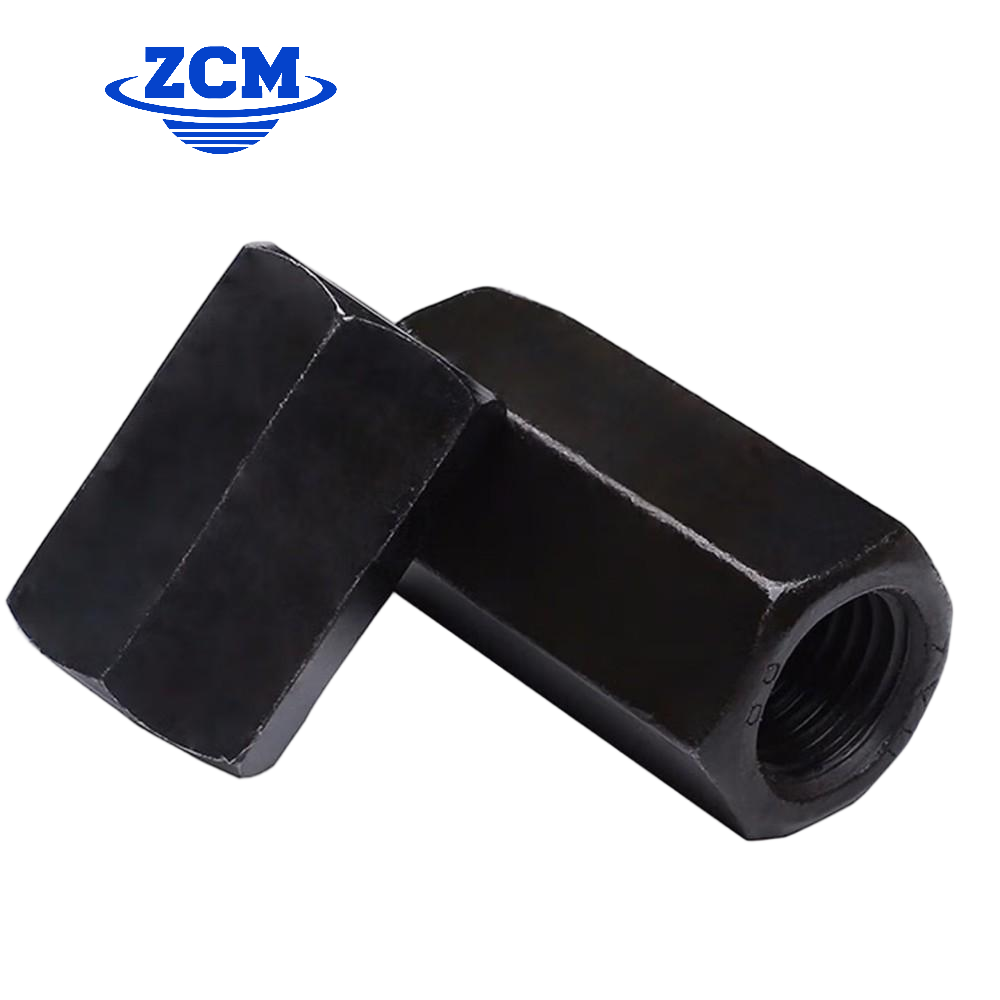
What OEM Custom Fastener Evaluation Actually Requires
Buying standard fasteners is mostly a catalog exercise. Buying OEM custom fasteners is a manufacturing agreement disguised as a purchase order. The supplier will interpret your drawing, choose or confirm material, build or adapt tooling, and ship parts whose failure may not appear until assembly or field service. Evaluation therefore has to test three things: whether the supplier can read and hold the specification, whether the material can be traced from mill to finished part, and who controls the tooling after the contract ends.
This guide is written for the buyer moving from consideration to supplier evaluation. It does not assume a particular company, country, or certification. Instead, it gives you a decision sequence, the evidence to request, and the questions that separate a capable custom fastener supplier from one that simply quotes quickly.
Start With the Specification, Not the Price
A custom fastener quotation is only meaningful against a complete specification. Before comparing suppliers, confirm that each one is quoting the same thing. Missing details are usually resolved later by the supplier's assumptions, not by your engineering team.
Specification completeness checklist
- Drawing revision and date: state which revision is contractual and how changes are controlled.
- Dimensions and tolerances: thread specification, major diameter, length, head or body geometry, and critical-to-function dimensions.
- Material grade and condition: alloy, temper, coating or plating, and any property requirements such as hardness or tensile class.
- Surface finish: coating type, thickness range, and areas that must remain uncoated, such as threads or bearing surfaces.
- Thread and fit: metric or inch system, tolerance class, and whether the part mates with a standard or custom counterpart.
- Inspection and acceptance: sampling plan, dimensional report requirements, and any functional tests.
- Packaging and marking: lot identification, label content, and protection during transit.
Ask each supplier to return the drawing with comments or a formal deviation list. A supplier that returns a clean drawing without questions may not have reviewed it closely. A supplier that flags an ambiguous tolerance or an impractical coating is showing you how it will handle production problems.
Material Traceability: What to Ask and What to Verify
Traceability is the ability to connect a finished fastener to the material lot it came from. For custom fasteners, that connection matters because a material substitution or mixed lot can change strength, corrosion resistance, or thread performance without changing the part's appearance.
Evidence to request
- Mill certificate or material test report: heat number, grade, chemical composition, and mechanical properties where applicable.
- Lot identification on the shop floor: how incoming material is tagged and how that tag follows the part through cutting, forming, heat treatment, and coating.
- Coating and heat-treatment records: subcontractor certificates and the link between those processes and your lot.
- Final inspection report: dimensional results tied to the same lot number shown on the packing label.
Do not accept a generic certificate that cannot be linked to your order. Ask the supplier to walk through one lot from receiving to shipping. If the lot number changes at a subcontractor and cannot be reconciled, traceability is broken at the point where many material problems occur.
Tooling Ownership and the Exit Problem
Custom fasteners often require dedicated tooling: dies, molds, fixtures, or gauges. Tooling ownership is the question buyers most often leave until a dispute or a supplier change makes it urgent. Settle it before the first purchase order.
Tooling checklist
- Who pays for tooling: state whether tooling is a separate line item, amortized into piece price, or supplied by the buyer.
- Who owns the tooling: ownership should be documented in writing, including tooling built with buyer-funded amortization.
- Where tooling is stored: identify the physical location and whether the supplier may move it without approval.
- Maintenance and replacement: define who maintains tooling, how wear is monitored, and who pays for replacement.
- Return or transfer: agree the conditions under which tooling is returned, transferred to another supplier, or bought out.
- Tooling records: request drawings, maintenance logs, and a current condition report for existing tooling.
A supplier that hesitates to document tooling ownership is telling you something about how it handles other contractual details. Put the tooling terms in the quality agreement or supply agreement, not only in email.
Supplier Comparison Table
Use this table to compare responses from two or three candidate suppliers on the same criteria. Score each criterion with evidence, not with assurances.
| Evaluation area | What to request | Warning sign | Why it matters |
|---|---|---|---|
| Specification review | Marked-up drawing with questions and deviation list | No comments or generic "we can make it" reply | Reveals whether the supplier will surface problems before production |
| Material traceability | Mill certificate, lot flow, coating and heat-treat records | Certificate not linked to order or lot | Supports material verification and recall containment |
| Tooling ownership | Written ownership, location, maintenance, and transfer terms | Verbal assurance only | Protects your investment and your ability to change suppliers |
| Sample validation | First-article inspection report with dimensions and material | Sample without data or lot identification | Confirms the production process, not just one hand-made part |
| Change control | Written notification process for material, process, or subcontractor changes | No defined approval step | Prevents unapproved changes after approval |
Sample and First-Article Validation
Samples are useful only if they represent production. Ask whether the sample was made with production tooling and the intended material lot. Request a first-article inspection report that lists every drawing dimension, the material certificate reference, and any deviations.
For threaded parts, check thread fit with the specified gauge or mating component. For coated parts, confirm coating thickness and thread acceptability after coating. If the sample passes but the report is incomplete, you have a good part and a weak process record. Treat that as a process risk, not a green light.
Questions to Ask Before Approving a Supplier
- Which drawing revision will you manufacture to, and how will you notify us of changes?
- Can you show a lot traceability example from incoming material to final inspection?
- Who owns the tooling, where is it stored, and what happens if we move the part to another supplier?
- Which processes are subcontracted, and how do you approve and monitor those subcontractors?
- What is your first-article and ongoing inspection plan, and what records will accompany each shipment?
- How do you handle a nonconformance discovered after shipment?
Ask for answers in writing. A supplier that can provide clear, specific responses without pressure is easier to audit later.
Warning Signs in Custom Fastener Sourcing
- Quotes that omit material grade, coating, or inspection requirements.
- Reluctance to identify material lots or provide mill certificates.
- Tooling ownership described only verbally or buried in general terms.
- Samples with no dimensional report or lot identification.
- No defined change-notification process for material or subcontractor changes.
- Pressure to approve a sample before the inspection report is reviewed.
None of these signs automatically disqualifies a supplier. Together, they indicate where your verification effort should concentrate.
Next Steps for the Buyer
Build a short evaluation file for each candidate: the controlled drawing, the supplier's marked-up review, a traceability example, tooling terms, and a first-article report. Compare them against the same criteria. If a supplier cannot provide evidence for a criterion, record it as an open item rather than assuming the capability exists.
For buyers sourcing custom fasteners alongside standard threaded components, the same discipline applies to related parts such as coupling nuts, acorn nuts, T-bolts, and rivet nuts: confirm the specification, the material record, and the acceptance criteria before the first production run.